Monthly Archives: May 2026
Why More Professionals Are Exploring Preventive Wellness Clinics Instead of Waiting for Burnout
The World Health Organization officially recognized burnout as an occupational phenomenon linked to chronic workplace stress, reflecting a growing concern across industries about exhaustion, emotional fatigue, and declining well-being.
Long work hours, constant digital communication, and pressure to remain productive have changed how many professionals think about healthcare. Rather than waiting until stress develops into serious physical or mental symptoms, some workers are beginning to explore preventive wellness clinics as part of their long-term self-care routines. Discussions around stress management, recovery, nutrition, and even aesthetic medicine near Riverside CT increasingly appear in conversations about professional wellness and quality of life.
Burnout Is No Longer Limited to High-Stress Industries
Research from Gallup suggests that workplace burnout affects employees across healthcare, technology, education, customer service, and remote freelance industries. Burnout is often associated with emotional exhaustion, reduced motivation, and difficulty separating personal life from work responsibilities.
The shift toward remote and hybrid work created flexibility for many employees, yet it also blurred boundaries between work and recovery time. Notifications continue late into the evening. Video calls replace face-to-face interaction. Many professionals report feeling mentally “on” even during weekends or vacations.
Data published by the American Psychological Association indicates that chronic stress can contribute to sleep disruption, anxiety, cardiovascular concerns, digestive issues, and reduced concentration. Experts note that burnout rarely appears suddenly. Instead, it builds slowly through accumulated fatigue and unmanaged stress.
This gradual progression helps explain why preventive wellness clinics are attracting attention. Some professionals view these clinics as spaces that focus on early intervention instead of reactive treatment after symptoms become severe.
The Appeal of Preventive Care and Stress Management
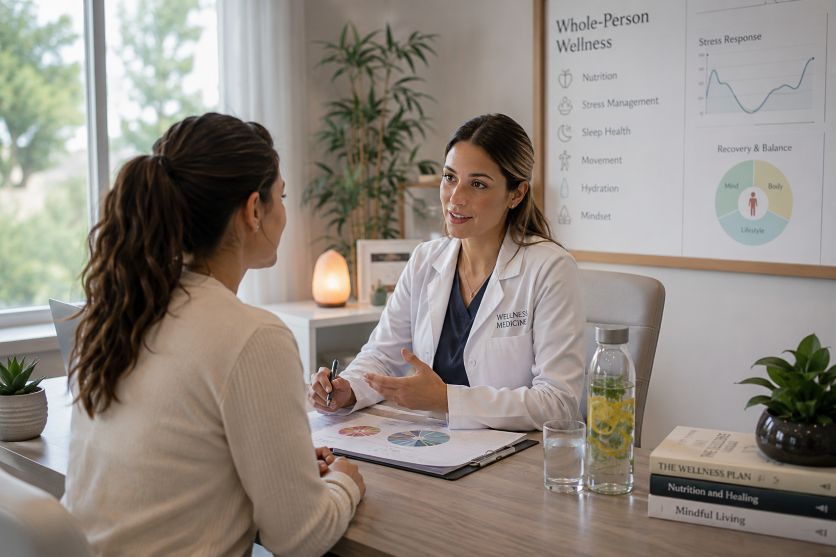
Preventive wellness clinics often combine multiple approaches under one setting. Services may include nutritional counseling, stress management guidance, lifestyle coaching, hormone testing, hydration therapy, mindfulness support, and wellness consultations.
Supporters argue that preventive care encourages people to pay attention to warning signs before they become medical problems. Instead of waiting for complete exhaustion, individuals may seek help for persistent fatigue, poor sleep quality, tension headaches, or concentration difficulties.
The Centers for Disease Control and Prevention emphasizes that preventive health practices such as exercise, proper nutrition, stress reduction, and sleep hygiene contribute to improved long-term outcomes. Wellness clinics frequently position themselves around these ideas, although their methods and services vary widely.
Some professionals also appreciate the longer consultation times offered in certain wellness environments. Traditional healthcare systems can feel rushed due to scheduling limitations, while preventive clinics often market personalized conversations about lifestyle habits and stress triggers.
At the same time, critics caution against viewing wellness clinics as replacements for primary medical care. Physicians and public health experts continue to stress the importance of evidence-based treatment, regular screenings, and licensed medical oversight.
Wellness Aesthetics and the Role of Self-Perception
Another reason preventive wellness clinics attract professionals involves appearance and self-perception. Long periods of stress can affect sleep, skin quality, posture, and overall energy levels. Some individuals report that visible signs of exhaustion influence their confidence during meetings, presentations, or client interactions.
This has contributed to growing interest in wellness aesthetics, including non-invasive cosmetic treatments, skin health consultations, and recovery-focused therapies. Industry reports from the American Society of Plastic Surgeons show continued demand for minimally invasive procedures, particularly among working adults seeking lower downtime options.
Supporters of wellness aesthetics often frame these treatments as part of broader self-care routines rather than purely cosmetic decisions. Feeling rested or refreshed may influence mood, confidence, and workplace engagement for some individuals.
Still, this area remains debated. Critics argue that workplace culture sometimes pressures professionals to maintain a polished appearance that may reinforce unrealistic expectations around productivity and aging. Others question whether aesthetic-focused wellness risks shifting attention away from deeper structural problems such as excessive workloads, lack of paid leave, or inadequate mental health support.
The conversation becomes more complicated when wellness branding overlaps with social media culture. Online platforms frequently promote optimization trends that encourage people to constantly improve their bodies, routines, and performance. For some professionals, wellness becomes another task to manage rather than a source of recovery.
The Debate Around Optimization Culture
Modern wellness culture often promotes the idea that every aspect of life can be optimized. Productivity podcasts, wearable health devices, sleep trackers, cold plunges, supplements, and biohacking routines have become common topics in professional circles.
Research published by Harvard Business Review has explored how high-performance workplace environments sometimes reward overwork while simultaneously encouraging employees to manage stress independently. This creates a contradiction. Workers are expected to remain highly productive while also taking personal responsibility for avoiding burnout.
Preventive wellness clinics exist within this larger cultural debate. Some people genuinely benefit from structured wellness support and proactive health monitoring. Others may feel pressured into expensive or unnecessary treatments promoted through aspirational marketing.
Medical experts continue to warn consumers about exaggerated health claims. The U.S. Food and Drug Administration has issued guidance reminding consumers to evaluate wellness products and treatments carefully, especially when clinics advertise quick fixes or dramatic performance improvements.
As a result, many professionals are learning to approach preventive wellness with a more balanced mindset. Instead of chasing constant optimization, they are seeking realistic ways to maintain energy, resilience, and emotional stability.
Balancing Medical Care With Lifestyle Interventions
The most productive conversations around preventive wellness often focus on balance rather than extremes. Lifestyle interventions such as sleep improvement, physical activity, stress reduction, hydration, therapy, and nutrition remain foundational components of long-term health.
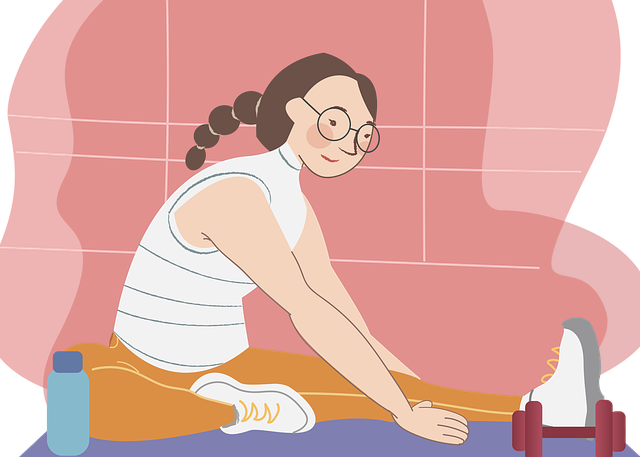
The National Institutes of Health notes that regular exercise and stress management practices can positively affect both physical and mental well-being. Many wellness clinics build their services around supporting these habits rather than replacing traditional medical care. Some professionals also explore mindfulness practices, breathing exercises, and simple yoga poses for stress relief as part of their recovery routines outside clinical settings.
For some professionals, the value of preventive wellness lies less in any single treatment and more in creating intentional recovery routines. Scheduling time for health consultations, movement, mindfulness, or restorative therapies may help counterbalance demanding work environments.
However, experts repeatedly emphasize that wellness clinics should complement, not substitute, comprehensive healthcare. Persistent fatigue, anxiety, hormonal symptoms, or chronic pain still require proper medical evaluation. Preventive wellness works best when integrated responsibly with licensed healthcare guidance and realistic lifestyle adjustments.
Workplace culture also plays a critical role. No amount of wellness optimization can fully offset environments that normalize chronic stress, excessive workloads, or lack of recovery time. Sustainable well-being depends on both individual habits and organizational responsibility.
Conclusion
Growing interest in preventive wellness clinics reflects a broader cultural shift in how professionals think about stress, health, and long-term sustainability. Many workers no longer want to wait until burnout becomes unmanageable before seeking support.
Preventive wellness, lifestyle-focused healthcare, recovery therapies, and wellness aesthetics continue to shape modern conversations about professional well-being. While opinions differ on optimization culture and the commercialization of self-care, the underlying concern remains consistent: people are searching for healthier ways to manage increasingly demanding lives.
The challenge moving forward is finding balance. Preventive care can support recovery, confidence, and resilience when paired with evidence-based medicine, realistic expectations, and healthy work boundaries. Sustainable wellness is rarely about perfection. More often, it comes from small, consistent habits that allow people to function well without sacrificing their long-term health.
Could Dr. Deepa Macha’s Med Spa Signal a New Era of Confidence Driven Wellness Culture
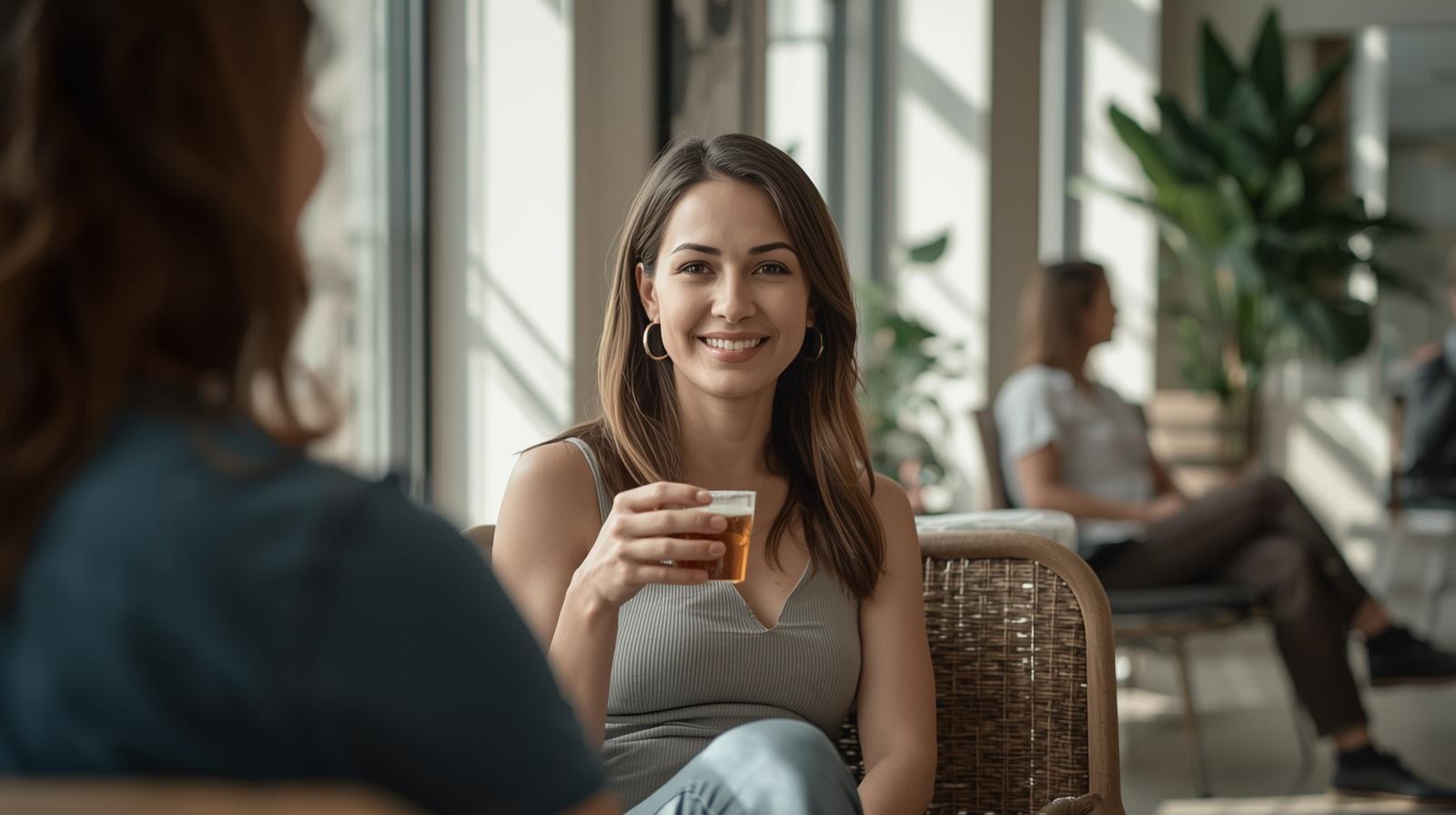
The waiting room felt more like a calm boutique hotel lounge than a medical office. Soft sunlight came through wide windows while quiet conversations drifted across the room.
A young woman in athletic wear chatted with the receptionist about stress management, while another patient flipped through a wellness magazine beside a cup of tea.
Spaces connected to beauty and wellness are changing quickly, and a lot of people now see them less as luxury destinations and more as part of everyday life.
That shift becomes noticeable when conversations around confidence, emotional balance, and preventative care begin blending together naturally. For many patients, visits to Dr. Deepa Macha’s med spa seem to reflect something larger happening inside modern wellness culture.
Wellness Is Becoming More Personal
A few years ago, wellness conversations mostly revolved around fitness trackers, gym memberships, or strict meal plans. Those things still matter, obviously, but people now seem more interested in how confidence shapes daily well-being too.
Looking refreshed, feeling rested, and carrying less stress are starting to feel connected instead of separate goals.
One patient explained it casually while waiting for her appointment. “I came in because I wanted better skin,” she said with a laugh, “but honestly, I started sleeping better and paying more attention to myself after that.”
Comments like that come up more often than expected in wellness-focused environments. Confidence affects routines in small ways.
Someone who feels better emotionally may become more consistent with hydration, exercise, or healthier meals without even noticing it at first. The habits slowly build on each other.
A Different Kind of Health Conversation
Modern med spas are increasingly blending aesthetics with emotional wellness. Even the atmosphere matters. Warm lighting, slower conversations, and personalized consultations make patients feel heard instead of rushed through another appointment.
People working across the wellness industry have noticed the change too. Patients ask more questions about long-term skin health, stress reduction, and preventative treatments rather than chasing dramatic cosmetic transformations.
There is also less stigma around these treatments now. Friends recommend them to each other the same way they recommend workout classes, supplements, or healthier meal options. What once felt private has slowly become part of ordinary self-care conversations.
Interestingly, younger adults are participating as well. Many are not trying to chase perfection at all. Instead, they seem focused on maintenance, balance, and preserving natural confidence. That subtle difference may be reshaping the culture surrounding wellness businesses altogether.
Confidence As A Wellness Metric
One thing becoming harder to ignore is the connection between emotional well-being and physical presentation. Confidence can affect posture, social interaction, and even motivation levels.
Some psychologists have argued for years that self-perception quietly shapes everyday behavior, and wellness-focused businesses appear to be leaning into that understanding more openly now.
I once overheard a woman leaving a consultation say, “I just wanted to feel like myself again.” That line stuck with me because it sounded less about appearance and more about comfort in daily life.
Maybe that is why confidence-driven wellness culture continues growing. People are not simply chasing beauty trends. Many are searching for smaller improvements that help them feel calmer, healthier, and more connected to themselves over time.
The popularity of personalized wellness spaces may point toward a future where emotional confidence sits beside nutrition, movement, and rest as a recognized part of modern well-being.
Some wellness experts have even started connecting lifestyle habits such as long-distance walking and physical endurance improvements with emotional resilience, suggesting that confidence and overall well-being may be more connected than people once believed.
Long Distance Walking and Its Impact on Physical Endurance and Well-being
Long-distance walking is not only an activity that involves physical effort but also a test of one’s endurance and perseverance. Long-distance walks have become increasingly common as a way to enhance overall well-being. This low-impact exercise offers several benefits without the intensity of high-impact exercises. Long-distance walking can have the power to change the body and the mind with the right preparation.
Power: Strengthening the Body Step by Step

Long walks promote muscle strength, particularly in the legs and core. It also enhances heart health in the long run. The progression is gradual so that the body can acclimate itself without undue stress.
Keys for Boosting the Stamina
Building endurance takes time to develop and practice. Slowly building up the distance of walking helps to prevent injury. This gradual strategy will develop confidence and fitness. With time, distances that were once too far should be manageable.
Preparation of the Body for Long Walks
In order to walk for a long distance, proper nutrition is required. It can be achieved by having balanced food such as carbohydrates, protein, and fat. Hydration is key to keeping you up throughout the process. Planning your journey before time is also a good assurance for a better journey experience.
End Notes
Walking long distances produces an overall physical effect for both good health and fitness. Builds body up; makes mind tough. It is open to everyone, provided some preparations are made. This can result in lifelong physical and emotional development.