Tag Archives: skin care
Chemical Peel Treatment and Its Role in Health and Well-Being
Taking care of the skin is often viewed as part of a beauty routine. However, skin care can also influence how people feel about themselves and how comfortable they are in daily life. Healthy-looking skin may help a person feel more confident, especially when dealing with concerns such as uneven tone, rough texture, acne marks, or signs of sun exposure. One treatment often used to improve the appearance of the skin is a chemical peel treatment.
A chemical peel treatment Bangsar KL Malaysia is a skin treatment that uses a carefully selected chemical solution to remove damaged cells from the surface of the skin. The treatment encourages the skin to renew itself. As the treated layer sheds, smoother and fresher-looking skin can appear underneath.
Chemical peels are commonly performed on the face, although some treatments may also be used on areas such as the neck, chest, or hands. The strength of the peel depends on the person’s skin, the concern being treated, and the desired result. Some peels work only on the surface, while stronger treatments reach deeper layers of the skin.
Chemical peels should not be viewed only as cosmetic treatments. For some people, improving visible skin concerns can also support their general sense of health and well-being.
How Chemical Peel Treatment Supports Skin Care
Skin naturally renews itself by replacing older cells with newer ones. This process can slow with age and may also be affected by sun exposure, lifestyle, environmental conditions, and other factors. Dead skin cells can collect on the surface and make the skin appear dull, uneven, or rough.
Chemical peel treatment helps remove some of these surface cells. This may improve skin texture and create a brighter appearance. Depending on the type of peel, the treatment may also help reduce the appearance of fine lines, mild pigmentation, acne marks, and uneven skin tone.
There are different levels of chemical peels.
A superficial peel is usually the mildest option. It works mainly on the outer layer of the skin. People may choose this type of peel when they want to improve mild dryness, dullness, or uneven texture. Recovery is often shorter compared with stronger treatments.
A medium peel reaches deeper into the skin. It may be used for more noticeable pigmentation, acne scarring, or signs of aging. The skin may become red or begin peeling during the recovery period.
A deeper peel affects lower layers of the skin and requires greater care. These treatments are usually recommended only after a detailed professional assessment. Recovery can take longer, and following aftercare instructions becomes especially important.
The strongest treatment is not always the best choice. Skin type, sensitivity, medical history, current skin condition, and previous treatments all need to be considered. A qualified professional can decide which option is suitable and whether a chemical peel should be performed at all.
After a peel, the skin can become more sensitive. Gentle cleansing, moisturizing, and sun protection are important parts of recovery. Picking at peeling skin should be avoided because this may cause irritation or increase the chance of marks developing.
The Connection Between Skin and Personal Well-Being
Health and well-being involve more than the absence of illness. They can also include physical comfort, emotional balance, confidence, healthy habits, and the ability to feel comfortable in daily life.
Skin concerns sometimes affect these areas.
A person who feels uncomfortable about acne marks or uneven pigmentation may spend time covering the skin or worrying about how it appears. Others may avoid photographs, social situations, or certain activities because they feel self-conscious.
Chemical peel treatment cannot solve every concern related to confidence or emotional well-being. However, improving a skin issue that has been bothering someone may help them feel more comfortable with their appearance.
The treatment process can also encourage better skin care habits. People who receive professional skin treatments are often advised to use sunscreen regularly, avoid harsh products, moisturize their skin, and follow a consistent routine. These habits may support long-term skin health.
Sun protection is especially important. Exposure to ultraviolet radiation can contribute to premature skin aging, uneven pigmentation, and other skin problems. After a chemical peel, the skin may be more sensitive to sunlight, making protection even more important.
A simple routine usually works better than using many products at once. Gentle cleansing, suitable hydration, sun protection, and treatments chosen for a specific concern can provide a clearer approach to skin care.
It is also important to maintain realistic expectations. A chemical peel may improve certain concerns, but results vary from person to person. Some people may need several treatments, while others may be better suited to another skin care approach.
Choosing Chemical Peel Treatment Safely
Chemical peels involve active substances that affect the skin, so they should be approached carefully. Products and treatment strengths that are suitable for one person may irritate another person’s skin.
Before receiving treatment, a consultation can help identify possible risks. A professional may ask about allergies, medications, previous skin procedures, current products, sun exposure, and any history of skin sensitivity.
People should also mention ongoing skin conditions or recent cosmetic procedures. This information can help determine whether treatment should continue, be adjusted, or be postponed.
Some temporary effects after a chemical peel may include redness, dryness, tightness, flaking, or mild irritation. The type and strength of the peel can affect how noticeable these changes are. Stronger treatments usually require more recovery time.
Aftercare plays an important role in protecting the skin. Harsh exfoliation should normally be avoided while the skin is recovering. Strong active ingredients may also need to be paused depending on professional advice.
Sun protection should remain a daily priority. A broad-spectrum sunscreen, protective clothing, and limiting unnecessary direct sun exposure can help protect recovering skin.
Chemical peel treatment is most useful when it forms part of a thoughtful approach to skin care rather than being treated as a quick solution. Good results depend on selecting an appropriate treatment, following professional guidance, and allowing the skin enough time to recover.
Skin care can be closely linked with personal well-being because feeling comfortable in the skin can affect everyday confidence. A chemical peel may help improve certain visible concerns while also encouraging healthier skin care habits.
The goal should not be perfect skin. Skin naturally has texture, pores, lines, and changes over time. Instead, treatment can focus on supporting healthier-looking skin and addressing concerns that matter to the individual.
When chemical peels are chosen carefully and performed appropriately, they can become one part of a wider approach to self-care. Combined with sun protection, gentle skin care, healthy habits, and realistic expectations, chemical peel treatment may support both skin appearance and a greater sense of personal well-being.
Pico Laser Service: The Gentle, Effective Way to Restore Clear Skin
Clear, healthy skin has long been linked to higher self-esteem and better mental well-being. People often feel more confident and open when they are happy with their skin’s appearance. For many, skin imperfections like acne scars, pigmentation spots, and tattoo remnants can be frustrating reminders of the past. Thanks to advancements in cosmetic technology, there is now a way to address these concerns that is both gentle and highly effective.
One of the most sought-after treatments today is the Pico laser service. This technology uses ultra-short laser pulses to target pigment and damaged skin cells without causing harm to the surrounding tissue. It’s designed for those who want visible results without the harsh side effects of older laser methods. The process is precise, making it a preferred option for people with sensitive skin or those who want minimal downtime.
How Pico Laser Technology Works
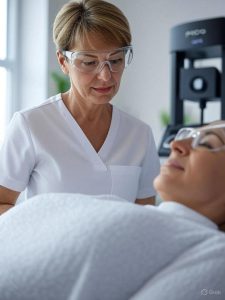
The magic of Pico laser lies in its speed and precision. The device delivers laser energy in picoseconds, which is one trillionth of a second. This ultra-fast delivery shatters pigmentation into tiny particles that the body’s natural processes can easily eliminate. Because the energy is concentrated and quick, there’s less heat buildup. This reduces the risk of burns, redness, or swelling compared to traditional lasers.
Pico lasers are versatile. They can treat a wide range of skin concerns such as acne scars, sunspots, freckles, and unwanted tattoos. The same technology that breaks up tattoo ink can also stimulate collagen production, which improves skin texture and reduces fine lines over time.
Why It’s Considered Less Invasive
Many people hesitate to get cosmetic treatments because of fear of pain or long recovery times. Pico laser treatments are less invasive because they rely on light-based energy instead of physical abrasion or deep tissue penetration. Clients typically report only mild discomfort during the session, often described as a snapping sensation on the skin.
The recovery process is also much easier. Most people can return to their regular activities right after their appointment. While some temporary redness or slight swelling may occur, these effects usually subside within a day or two.
Benefits for Mental and Emotional Well-being
Looking good often leads to feeling good. When skin problems are reduced or eliminated, people tend to feel more comfortable in social situations. They are more likely to smile, maintain eye contact, and engage with others without feeling self-conscious.
The mental health benefits are often underestimated. Removing or reducing skin imperfections can lift a huge emotional weight. For example, someone who has a tattoo linked to a painful memory can find a sense of closure after removal. Similarly, clearing acne scars can help someone feel confident enough to pursue new opportunities in work or relationships.
Who Can Benefit from Pico Laser Treatments
Pico laser is suitable for a variety of skin types and conditions. It is particularly useful for people who want results without the risk of hyperpigmentation or scarring, which can happen with older laser treatments. Ideal candidates include those with:
- Acne scars
- Uneven skin tone
- Hyperpigmentation
- Sun damage
- Unwanted tattoos
However, a professional consultation is important. While Pico lasers are generally safe, a skin expert can determine the right treatment plan based on individual skin type, condition, and goals.
What to Expect During and After Treatment
The treatment process is straightforward. A session usually lasts between 15 to 30 minutes, depending on the size of the area being treated. Before starting, the skin is cleaned and sometimes numbing cream is applied. Protective eyewear is worn during the session to shield the eyes from the laser light.
After the treatment, results are not always instant. Pigment particles continue to break down and fade over several weeks. For best results, multiple sessions may be recommended, spaced a few weeks apart. Following aftercare instructions, such as avoiding direct sun exposure and using sunscreen, is essential to maintain results.
READ ALSO: The Ultimate Guide to Best Organic Skincare Products for Sensitive Skin
The Takeaway
Pico laser technology offers a balanced combination of safety, precision, and effectiveness. It addresses skin imperfections in a way that minimizes discomfort and downtime. More importantly, it gives people the chance to restore not just their skin, but their confidence. With the right provider, Pico laser can be a valuable investment in both appearance and emotional well-being.